Colorado Round Dance Association
What is Round Dancing? Dance Parties Clubs & Classes Membership
Rounds of the Month Newsletter Board of Directors Dance Links From Around the World


Did you hear about CRDA on the Radio?
Listen to the public service announcement that was distributed to radio stations around Colorado by CRDA:
CRDA Public Service Announcement.

Entry level classes are offered at least 3 times/year.
For places to learn to dance please go to the
Club & Classes Page
Or
Contact President (Rob & Terri Sherwood), Vice-President (Patrick & Eileen Krause), or Webmaster (Chris & Terri Cantrell).

Video clip from the CRDA Annual Gala held every November. The routine being danced is called Carnival. It is an intermediate level routine that was choreographed by Ron & Ree Rumble and is being cued by Ron Rumble. Click on the routine name, Carnival, for a copy of the cuesheet (instruction sheet). Click her for other sample video.

Click for CRDA FUN DANCE Dates & Locations

divider line
November Gala - Sample Program Routines Taught in Colorado
Cue Sheet Sources Round Dance Manual by Sears
Round Dance Manuals & Articles online Weavers Round Dance E-Mail Group
Round Dance Email Directory (RDID) RoundDance.com - Dance News & Information
divider line
What is Round Dancing?
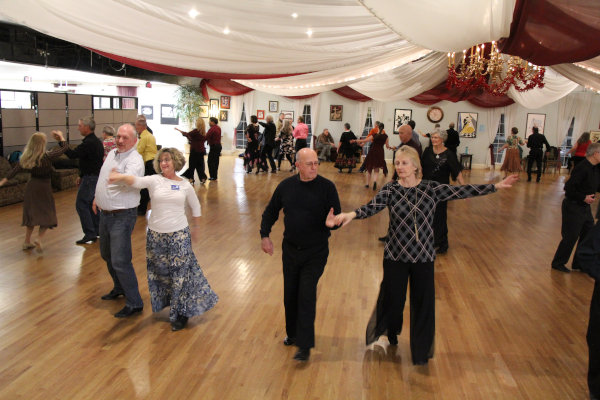
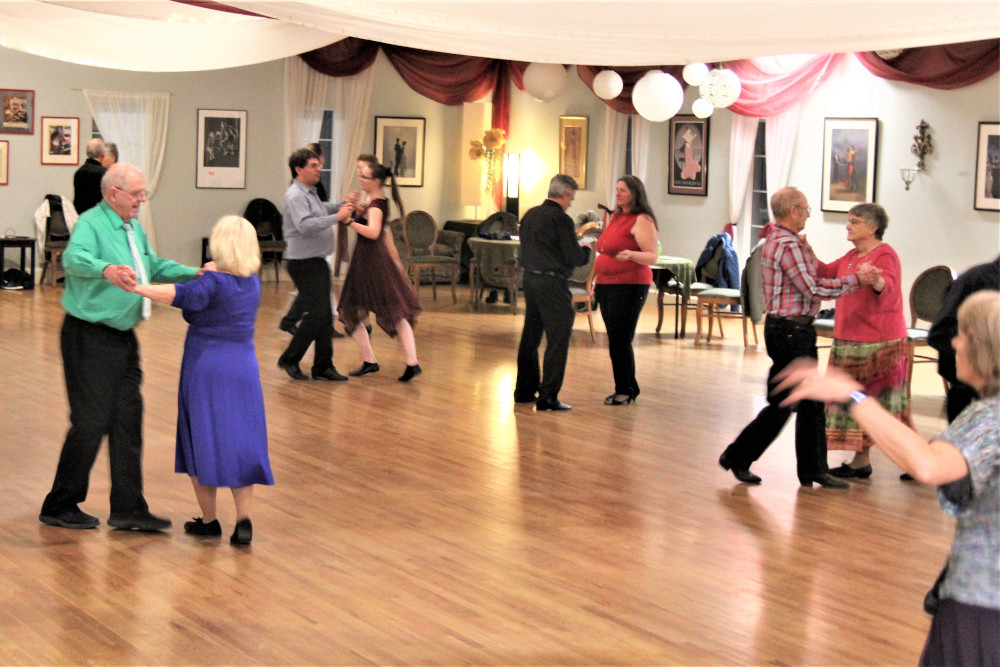
Round Dancing is basically choreographed ballroom dancing with all couples dancing the same figures around the floor at the same time, similar to a formation dance team or to sequence dancing. Over the last 50+ years thousands of routines have been choreographed to match specific music in almost every dance style imaginable. A routine done to a specific piece of music in Colorado USA is almost always the same routine you would do to that music in Japan or any other place worldwide at the same level of difficulty.

This formation team type of dancing eliminates the traffic jam feeling that you sometimes get while free form ballroom dancing. Dancers are able to concentrate more on how they are executing figures and dancing as one coherent unit as opposed to trying to think about which figure or pattern to do next.

Dancers rely on an instructor to guide them through the figures in each routine, thereby eliminating the need to memorize. In an average evening session a couple typically dances 20-60 different routines.

Another distinguishing characteristic of Round Dancing is the use of a "cuer". Since there are far too many routines to memorize, a cuer calls out the name of each figure in the routine just before it is to be executed. If you have a memory lapse or are unfamiliar with a particular routine or figure, you can continue progressing with the dance flow until you get to a spot or a figure that you recognize.

Round Dancers learn from day 1 to associate each foot pattern with the figure name. This makes it easier to teach future routines since the dancer has a repertoire of figures at their fingertips (okay ‘foottips’). The average dancer has a repitoire of hundreds of routines and will typically dance 20-60 of these routines during the average evening. Clubs and classes in addition to putting on known routines will also typically teach part or all of a new routine or work on figures each evening.

This is not to say that Round Dancing is better than conventional ballroom. Rather, the two complement each other. Round Dancing helps you strengthen your basic repertoire of ballroom figures and permits you to do some figures that you would not dare to try at a conventional ballroom dance. We find that each type of dancing reinforces the other, and leads to greater enjoyment of dancing in general.

There are 6 levels of round dancing called phases. Phases 1 & 2 are "easy level" and include 2-step (similar to a type of country western dancing) and waltz (bronze figures - enough to dance at your daughter's wedding & elsewhere, the basics). Phase 3 & 4 are the intermediate levels (bronze & silver figures) and include additional waltz figures in addition to introductions to other rhythms in the International & American styles. Rhythms include: foxtrot, quickstep (similar to Arthur Murray foxtrot), international tango, American tango, Argentine tango, cha, rumba, bolero, mambo, jive, swing, west coast swing, samba, paso doble, slow two step (also called night-club two step), & others. Phase 5 & 6 (gold, star, & above figures) take dancers into the upper levels of dancing, including most of the figures you see at ballroom competitions. At the upper levels many of the Round Dance instructors are trained by some of the best International & American ballroom teachers/competitors in the world. Several technique books & videotapes have been created by Round Dance organizations and individuals around the world (For Example: URDC, URDC Technical Dance Figure Manual, & ROUNDALAB).

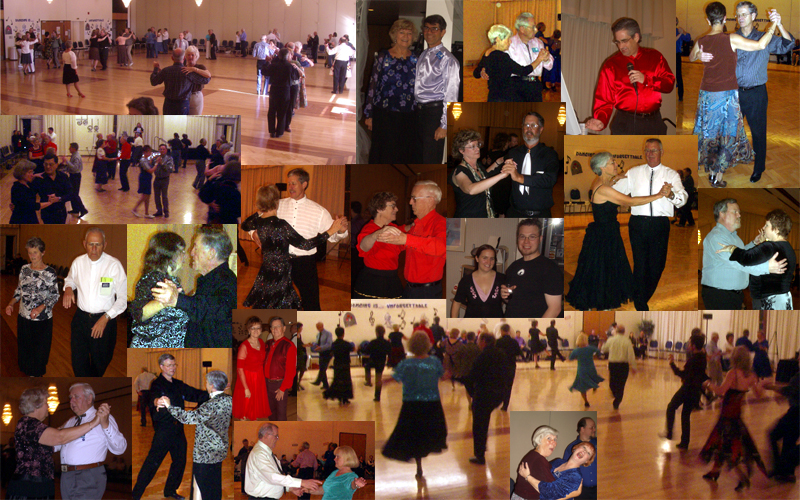
Round dancing is good exercise and provides a relatively inexpensive evenings entertainment: the price for a typical club dance is about $7-$15 per couple for 1-1/2 to 3 hours. In addition, the social camaraderie should not be overlooked. Round Dancers tend to be extremely friendly, sociable, and very helpful people.

Round Dance clubs & classes can be found in & around every major city in the United States & Canada, as well as many cities in Europe & Asia (especially Japan). There are also many weekend & week long Round Dance festivals & convention offered almost every week of the year, many of these can be found in the DIXIE Newsletter, RoundDance.com Online Newsletter, URDC, and ROUNDALAB websites & newsletters, and through local & international Round Dance organizations.

Colorado is very lucky to have a large number of Round Dance instructors and events. One of the easiest way to find a Round Dance club in Colorado is to go to the Colorado Round Club Page. For outside of Colorado, try the links pages: Within the USA, Other Countries, or contact your local Square Dance Shop or organization (check the yellow pages). They can generally get you in touch with an instructor who can help you find the clubs or classes that are right for you.

divider music line
What is Round Dancing? Dance Parties Clubs & Classes Membership
Rounds of the Month Newsletter Board of Directors Dance Links From Around the World

Please send any questions or comments about this web site to: webmaster

You visitor # counter company
counter
Updated 17 April 2008 tac